
A good nail strengthener can help protect thin, weak and bendy nails after acrylic extensions, but choosing the wrong formula may make brittle nails more prone to breaking. If you have just removed your acrylics and your natural nails feel paper-thin, flexible or sensitive, focus on gentle protection, regular cuticle moisturizing and allowing damaged nail material to grow out.
This is a familiar experience for people who regularly visit nail salons in Lagos, Abuja and other Nigerian cities. You remove your extensions expecting to see healthy natural nails, only to discover nails that bend when touched, peel at the tips or feel uncomfortable around warm water.
But why does this happen?
1. Understanding the Post-Acrylic Paper-Thin Nail Phase
Acrylic products do not simply eat away your natural nails. The damage often comes from the preparation, application and removal processes.
To make acrylic extensions adhere properly, technicians commonly roughen the natural nail surface through filing. Excessive electric filing, repeated buffing and aggressive scraping can remove layers of the natural nail plate.
Acetone-based removal and frequent refills may add further stress.
The American Academy of Dermatology (AAD) confirms that artificial nails can leave natural nails thin, brittle and dry, particularly when repeated applications and removals damage the nail plate.
Read the AAD's guidance on reducing artificial-nail damage.
Quick answer: How do you harden soft nails after acrylics?
Start by trimming your nails short, avoiding further acrylic applications and protecting the exposed nail plate with a suitable, gentle strengthening base coat. Apply cuticle oil regularly to condition the surrounding skin and nail folds. Avoid aggressive hardeners on sensitive nails, and follow the product's instructions rather than layering treatments excessively.
Remember that the damaged nail plate cannot be rebuilt by a cosmetic treatment. The goal is to protect it while healthier nail grows from the matrix.
2. How to Choose the Right Nail Strengthener for Acrylic Damage
Not every product labelled nail hardener or nail strengthener works in the same way. Understanding the difference helps you avoid purchasing something that is unsuitable for your condition.
Nail hardener versus nail strengthener
A nail hardener generally aims to increase nail rigidity. Some formulations use formaldehyde, which chemically interacts with keratin and makes the nail harder.
However, the US Food and Drug Administration (FDA) warns that frequent use of formaldehyde-containing nail hardeners may make nails more brittle and prone to breaking or peeling. They can also cause irritation and allergic reactions.
A nail strengthener is a broader commercial category. Many products use film-forming ingredients to create a protective coating over the natural nail.
For soft, bendy nails after acrylic removal, a protective coating that does not make the nail excessively rigid may be a more appropriate starting point.
Ingredients to look for
| Ingredient | Why it appears in nail products | What to understand |
|---|---|---|
| Hydrolyzed keratin | Used in conditioning and strengthening formulations | Do not assume it rebuilds damaged nail structure |
| Wheat protein | Used as a conditioning ingredient | May contribute to the product's cosmetic performance |
| Calcium | Common in nail-strengthening products | Calcium in a topical coating is not proven to regenerate damaged nails |
| Panthenol (Vitamin B5) | Conditioning and moisturizing ingredient | Useful in nail and cuticle-care formulations |
| Vitamin E | Antioxidant and skin-conditioning ingredient | Helps condition surrounding skin |
| Protective polymers | Form a coating over the nail plate | Can help protect fragile nail tips |
Ingredients to approach cautiously
Formaldehyde: Consider a formaldehyde-free nail strengthener, especially if you have sensitive skin or have reacted to previous nail treatments. Check for related ingredient names, including formalin and methylene glycol.
Toluene and DBP: You may encounter products marketed as 7-free or 10-free to indicate the exclusion of selected ingredients. However, these labels are not universal safety certifications. Do not assume that every product without these ingredients is automatically hypoallergenic or harmless.
Important: The FDA distinguishes between ingredients that have specific documented risks and ingredients that can be used safely under appropriate conditions. Read product labels rather than relying entirely on marketing terms.
3. Step-by-Step Application Guide: How to Use a Nail Strengthener Correctly
Choosing a suitable product is only half the work. Correct application matters, especially when your nail plate is already thin.
Step 1: Prepare and shape gently
Start by trimming your natural nails to a manageable length. Shorter nails are less likely to bend, catch on clothing or tear while recovering.
Use a clean, fine-grit nail file or glass file to smooth rough edges.
Do not aggressively buff the surface to make it smooth. Your nail may already have lost layers during acrylic removal.
Step 2: Cleanse the nail surface
Make sure your nails are clean and completely dry before applying a strengthening treatment.
Remove any remaining polish or residue using a remover suitable for your condition, following its instructions.
Avoid unnecessary solvent exposure, particularly when your nails are sensitive. A non-acetone remover is not automatically irritation-free.
Step 3: Apply the first thin coat
Apply a thin layer of your selected nail strengthener to the clean, dry nail.
Follow the manufacturer's instructions regarding application, drying time and whether the product should cover the free edge.
Avoid applying it to broken skin, inflamed cuticles or an exposed, painful nail bed.
Allow the coating to dry properly before applying cuticle oil.
Step 4: Build protection according to the product instructions
Some nail treatments are designed to be reapplied every two or three days. Others require a different schedule.
A seven-day cycle can be useful where the manufacturer specifically recommends it:
| Day | Suggested action |
|---|---|
| Day 1 | Apply the first thin coat |
| Day 3 | Reapply if specified by the product instructions |
| Day 5 | Apply another coat if instructed |
| Day 7 | Remove and restart only if the product directions recommend this cycle |
Do not assume this is a universal treatment schedule. Excessive layering or repeated removal can create additional problems for already weakened nails.
Step 5: Add cuticle oil to your recovery routine
Once the strengthening coating has dried, apply a small amount of cuticle oil around your nail folds.
Jojoba oil, sweet almond oil and vitamin E-containing formulas are common conditioning options.
Apply once or twice daily, particularly before bedtime and after household chores.
A nail-care pen can make application convenient because its small brush or applicator delivers oil directly around the cuticle area.
Remember that cuticle oil conditions the surrounding skin. It is not a substitute for a protective coating or a treatment for fungal infections.
4. Post-Acrylic Nail Recovery Timeline: What Should You Expect?
One of the biggest mistakes people make after acrylic removal is expecting their natural nails to become completely healthy within one week.
Nail growth takes time.
| Recovery period | What you may notice | Recommended priority |
|---|---|---|
| Weeks 1–2 | Nails may remain thin, flexible or sensitive | Protection, gentle trimming and moisturizing |
| Weeks 3–4 | Shorter nails may be easier to manage; the coating may reduce snagging | Maintain the routine and avoid further trauma |
| Months 2–3 | More newly grown nail may become visible | Continue protection and cuticle care |
| Months 4–6 | Much of the damaged fingernail may have grown out | Maintain healthy nail habits |
These are practical checkpoints, not guaranteed healing milestones. The damaged portion must grow out, and recovery depends on the original extent of nail thinning.
The NHS notes that a fingernail lost after an injury may take up to six months to grow back.
Stronger, Healthier Nails Are Coming Back Soon! ✨
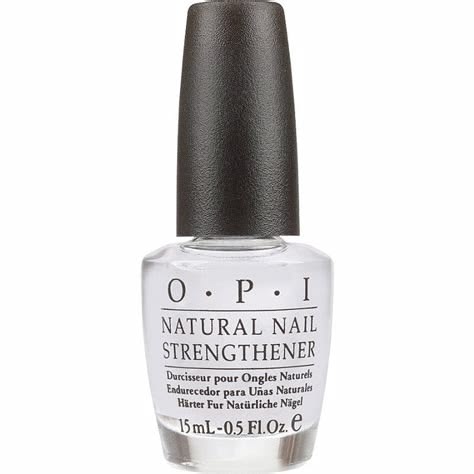
Our best‑selling Nail Strengthener Serum (15ml) sold out faster than expected — but don’t worry, we’re restocking soon
Join the exclusive waitlist today and be the first to know when it’s available again. Secure your spot now and give your nails the care they dese
Be first to be notify when we Restock Nail Strengthener--Join waiting List Now!
5. Essential Do's and Don'ts During Nail Recovery
Your everyday habits can make a significant difference while your nails recover.
Do:
Keep your nails short and maintain a manageable shape.
Wear rubber gloves when washing dishes or cleaning with detergents.
Apply cuticle oil regularly.
Use a suitable hand cream after washing.
Keep personal manicure tools clean.
Choose nail treatments with clear ingredient information.
Take breaks from acrylics and gel extensions.
Don't:
Peel off the thin layers of a damaged nail.
Aggressively buff the natural nail surface.
Apply fresh acrylics over painful or inflamed nails.
Use a strengthener that causes burning, irritation or redness.
Apply formaldehyde-based hardeners repeatedly without considering their potential effects.
Cut or aggressively push back your cuticles.
The AAD recommends allowing time without artificial nails and avoiding cuticle cutting because the cuticle helps protect the surrounding nail area from infection.
If your nail bed is persistently red, painful, swollen or burning, do not attempt to cover the problem with another cosmetic treatment. Seek professional assessment.
6. Where to Buy Nail Strengtheners and Nail Care Products in Nigeria
Finding a suitable product is particularly important when buying imported nail treatments in Nigeria.
Beauty retailers in Lagos and online cosmetic stores stock different types of nail hardeners, strengthening base coats, cuticle oils and nail-care pens.
Before purchasing, check the following:
Product authenticity: Look for identifiable manufacturers, distributors, batch details and original packaging.
Ingredient transparency: Ensure the manufacturer provides clear product information and directions for use.
Product suitability: A nail strengthener, cuticle oil and fungal nail treatment serve different purposes. Do not purchase them interchangeably.
Price and availability: Nail strengthener prices in Nigeria vary according to brand, formulation, size, supplier and importation costs. Check the current NGN price and delivery charges on the seller's website before ordering.
What should you buy for a post-acrylic recovery routine?
A practical starter collection includes:
| Product | Purpose | Buying priority |
|---|---|---|
| Nail strengthener | Protective coating for fragile nails | High, if suitable for your condition |
| Cuticle oil | Conditions cuticles and surrounding skin | High |
| Nail care pen | Convenient application of cuticle oil or another intended treatment | Useful |
| Gentle nail file | Shapes and smooths rough edges | High |
| Hand cream | Helps reduce surrounding skin dryness | High |
Dresnice provides a destination for customers exploring nail-care essentials, including products for maintaining natural nails.
Looking for an original Nail Care Pen Hardener or wondering where to buy nail strengthener in Lagos? Start by checking the Dresnice catalogue for currently available products, their descriptions and prices.
Ready to improve your nail-care routine?
Explore the [Dresnice nail-care product collection] and select a suitable nail strengthener, cuticle oil or nail-care pen.
7. Frequently Asked Questions About Nail Strengtheners After Acrylics
1. Can I put a nail strengthener on raw or sore nails?
Avoid applying nail strengtheners to painful, inflamed, broken or exposed nail tissue. Some ingredients can cause irritation or allergic reactions. Allow the area to be assessed by a healthcare professional before applying cosmetic treatments.
2. How long does it take for soft nails to harden after acrylics?
A protective coating may make nails feel firmer immediately, but this does not mean the damaged nail has healed. Substantial recovery depends on new nail growth, which can take several months. A full fingernail replacement may take up to six months.
3. What is the best nail hardener after acrylics?
Choose a suitable protective strengthener that does not make already fragile nails excessively rigid. Consider formaldehyde-free options, especially if you have experienced irritation. Always check the ingredients and application instructions.
4. Is garlic gel good for hardening soft nails?
There is insufficient reliable clinical evidence to recommend garlic gel as a nail-strengthening treatment. Homemade garlic preparations may irritate the surrounding skin. A properly formulated nail treatment and consistent protective care are better starting points.
5. Should I take biotin while using a nail strengthener?
Biotin supplements are sometimes marketed for brittle nails, but evidence supporting their benefits in otherwise healthy people is limited. High doses can also interfere with certain laboratory tests. Discuss supplementation with a healthcare professional rather than taking it automatically.
6. Can I apply a nail strengthener every two days?
Only when the manufacturer's instructions recommend that schedule. Different formulations have different application and removal requirements. Applying excessive layers may make nails too rigid or create additional irritation.
7. How do I restore my nail bed after gel extensions?
First, distinguish between damage to the nail plate and injury to the underlying nail bed. Avoid additional extensions, protect the nail, keep it trimmed and use appropriate moisturizing products. If there is pain, redness, swelling or nail separation, seek medical assessment.
8. Where can I buy nail strengthener in Nigeria?
Look for established beauty retailers and specialist nail-care suppliers that provide identifiable product information, genuine packaging and clear return policies. Check the Dresnice product catalogue for current availability, prices and ordering information.
Conclusion: Give Your Natural Nails Time to Recover
Removing acrylic extensions is only the beginning of your natural nail recovery journey. The next step is choosing the right nail strengthener, protecting the damaged nail plate and maintaining a consistent daily nail-care routine.
You do not need to purchase every treatment advertised online. A suitable protective strengthener, nourishing cuticle oil, moisturizing hand cream and a few good manicure habits can provide a practical starting point.
Remember, healthy nail growth takes time. Avoid aggressive salon procedures, protect your hands during household chores and allow your natural nails to grow without repeated artificial extensions.
Explore Dresnice's nail-care collection, choose the products that fit your recovery needs and place your order through the website.